
Understanding UN Sanctions Removal A Comprehensive Overview
Understanding UN Sanctions Removal: A Comprehensive Overview
The removal of United Nations (UN) sanctions is a multifaceted process that can significantly impact the geopolitical landscape and the countries involved. These sanctions can range from economic restrictions to travel bans, depending on the situation at hand. It’s essential to understand the intricacies of these sanctions, their implications, and how entities like UN Sanctions Removal Sanctions Lawyers can assist in navigating the complex legal terrain associated with their removal.

The Nature of UN Sanctions
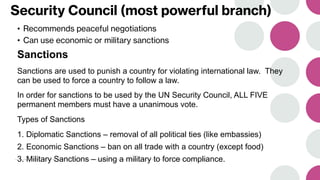
UN sanctions are measures imposed by the United Nations Security Council (UNSC) to maintain or restore international peace and security. These sanctions serve multiple purposes, including:
- Pressuring a country to comply with international laws.
- Deterring aggressive actions or terrorism.
- Preventing the proliferation of weapons of mass destruction.
- Encouraging dialogue between conflicting parties.
Types of UN Sanctions
The UN typically imposes several types of sanctions, each tailored to address specific issues. The main categories include:
- Economic Sanctions: These involve trade restrictions, including import and export bans, asset freezes, and financial restrictions.
- Diplomatic Sanctions: These aim to reduce or sever diplomatic ties, often involving the expulsion of diplomats or the withdrawal of ambassadors.
- Military Sanctions: Arms embargoes fall under this category, prohibiting the sale or transfer of arms to certain states or groups.
- Travel Bans: Restrictions placed on individuals to prevent them from entering or transiting through countries.
Factors Influencing the Removal of Sanctions
The process of lifting UN sanctions is often as complex as their imposition. Several factors can influence this process:
- Compliance: The primary determinant for the removal of sanctions is the degree to which the sanctioned entity complies with the terms set by the UNSC.
- Negotiations: Diplomatic efforts and negotiations between the sanctioned state and other countries or the UN can facilitate the lifting of sanctions.
- International Pressure: The roles of major global powers, regional organizations, and even non-state actors can significantly impact the decision to maintain or lift sanctions.
- Change of Leadership: A change in the leadership or government of the sanctioned country may also prompt reconsideration of imposed sanctions.
The Role of Sanctions Lawyers
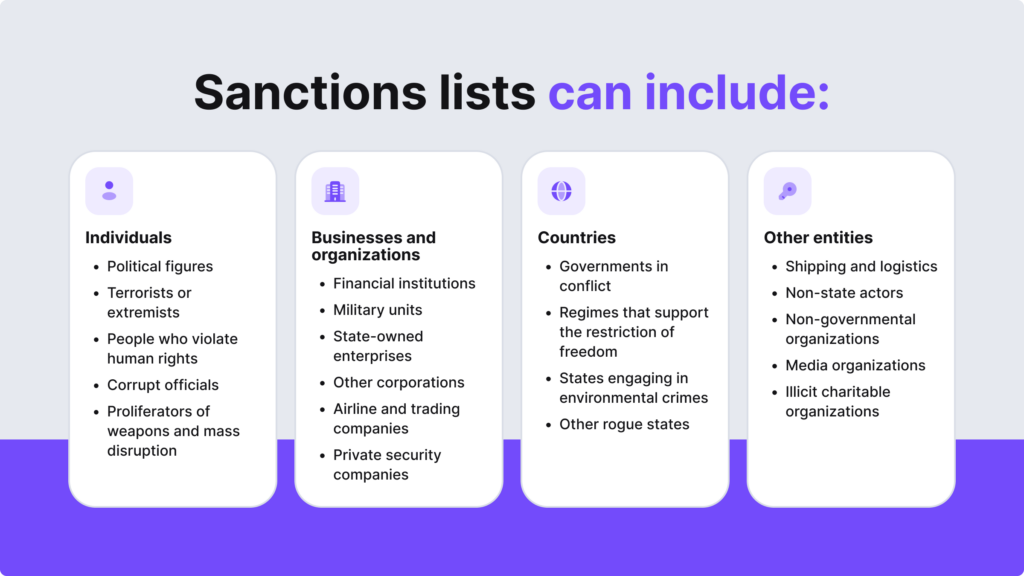
Legal experts, notably sanctions lawyers, play a crucial role in navigating the complexities surrounding UN sanctions. Their expertise can be beneficial in various ways:
- Legal Advice: They provide essential advice on compliance with sanctions, helping clients understand the intricate details of international laws.
- Representation: Sanctions lawyers represent clients in negotiations with governmental and intergovernmental bodies to advocate for the lifting of sanctions.
- Litigation: In some cases, sanctions lawyers may engage in litigation to challenge the validity of sanctions imposed on their clients.
- Strategy Development:
strong> They help devise strategies that align with both legal requirements and business objectives, ensuring that clients minimize risks while pursuing opportunities.
The Process of Seeking Removal of Sanctions
Seeking the removal of UN sanctions typically involves several steps:
- Assessment: A thorough review of the current sanctions and the conditions for their lifting.
- Documentation: Collecting and preparing necessary documents that demonstrate compliance or changes that warrant sanction relief.
- Negotiation: Engaging in discussions with UN officials, member states, and other stakeholders to present the case for removal.
- Follow-up: Monitoring the progress of the application and maintaining communication with relevant parties.
Case Studies: Successful Sanctions Removals
Several notable cases demonstrate the successful removal of UN sanctions, providing insights into effective strategies:
- Iran: The Joint Comprehensive Plan of Action (JCPOA) in 2015 led to the lifting of economic sanctions on Iran in exchange for limitations on its nuclear program.
- South Africa: International sanctions were lifted following the end of apartheid, reflecting a significant shift in governance and compliance with global norms.
- Libya: After significant political changes and compliance with disarmament commitments, sanctions were lifted, showcasing the power of diplomatic engagement.
The Future of UN Sanctions
As the global landscape continues to evolve, so too will the nature of UN sanctions. Key considerations for the future include:
- Technological Advances: The rise of cyber sanctions and other non-traditional measures could shape how the UN approaches sanctions.
- Geopolitical Dynamics: Changing alliances and conflicts will influence future sanctions decisions and their removal.
- International Law Developments: Ongoing developments in international law will continue to refine the framework within which sanctions operate.
Conclusion
The removal of UN sanctions is a complex process that involves compliance, negotiation, and strategic planning. Understanding the nuances of sanctions and the role of legal experts, such as Sanctions Lawyers, is essential for those seeking to navigate this challenging landscape. As global dynamics shift, staying informed and prepared will be crucial for entities impacted by sanctions, whether they are individuals, governments, or businesses.