
Air Jordan Style Best Price Online
Air Jordan 4 Retro: Why Sneaker Collectors Keep Coming Back
One of the most prized silhouettes in the sneaker community, the Air Jordan 4 Retro demands attention from serious and casual sneaker fans alike. Originally released in 1989, the AJ4 was created by the iconic Tinker Hatfield and grew into the first Jordan shoe to achieve significant global recognition. More than 30 years later, the shoe continues to command resale markets, with some releases going for amounts that exceed $2,000 on platforms like StockX and GOAT. The blend of classic design features, restricted manufacturing runs, and rich cultural connections to Michael Jordan’s legend drives an relentless cycle of demand. In 2026, the Air Jordan 4 Retro stays a foundation of any committed sneaker rotation. Understanding why this specific model retains such sustained appeal requires a closer look at its design DNA, cultural impact, and resale performance.
The Design That Transformed Sneaker History
Tinker Hatfield gathered ideas from military-inspired and utility-driven aesthetics when developing the Air Jordan 4, a divergence from the cleaner silhouettes of its previous iterations. The shoe brought visible Air units in the heel, mesh paneling on the upper for breathability, and recognizable plastic wing eyelets that evolved into the model’s defining feature. These innovations were unprecedented in 1989, fusing athletic basketball engineering with casual looks in a way never before seen in footwear. The midsole features a polyurethane formula that delivers superior impact protection compared to conventional EVA foam, lending the sneaker authentic playing performance together with its visual allure. The rubber bottom sole with a herringbone traction pattern ensures all-direction traction that proves solid even by today’s standards. Every aspect of the Jordan 4′s craftsmanship fulfills a dual purpose — performance and style — which is precisely why the silhouette has aged so gracefully over 37 years.
Colorways That Dominate the Market
Not all Air Jordan 4 Retro drops have equivalent importance in the resale marketplace, and comprehending the ranking of colorways is crucial for any true sneakerhead. The “Bred” version is broadly regarded as the ultimate iteration, with unworn pairs from initial runs commanding over $1,500 on resale marketplaces. The “White Cement” colorway, iconically laced up by Michael Jordan read more during the 1989 NBA All-Star Game slam dunk contest, reliably falls within the top five most in-demand Jordans of all time. Off-White collaborations with designer Virgil Abloh elevated the Jordan 4 into the high-end streetwear arena, with the “Sail” release attaining typical resale values above $2,200. Exclusive area-specific drops from brands like Union LA have additionally broadened the variety of options, establishing niche markets within the larger Jordan 4 market. Every edition narrates a new episode of the shoe’s saga, and informed fans follow launch dates meticulously to grab shoes at original price before prices inflate.
| Color Edition | Original Release | Mean Resale Price (2026) | Collector Level |
|---|---|---|---|
| Bred (Black Cement) | 1989 | $450–$1,500 | Grail |
| White Cement | 1989 | $380–$1,200 | Grail |
| Off-White “Sail” | 2020 | $1,800–$2,500 | Ultra Grail |
| Military Blue | 1989 | $250–$400 | High |
| Fire Red | 1989 | $220–$380 | High |
| Union LA “Guava Ice” | 2020 | $800–$1,100 | Grail |
Cultural Relevance Well Beyond the Court
The Air Jordan 4′s cultural impact stretches far beyond the basketball court, establishing itself within music, film, and fashion in ways almost no other shoe has matched. Spike Lee’s classic character Mars Blackmon strengthened Jordan Brand’s link with the hip-hop community, and the AJ4 appeared prominently in the 1989 film “Do the Right Thing,” providing the model cinematic legacy. Travis Scott’s continuing collaboration with Jordan Brand, which includes numerous AJ4 launches, has presented the silhouette to an whole new generation of supporters who might never have seen Michael Jordan play. The model has been featured in hundreds of rap tracks, from Nas to Drake, strengthening its role as a fashion symbol that rises above performance sneakers. Fashion designers have derived ideas from the AJ4′s thick midsole and utilitarian features, impacting wider trends in high-end sneaker aesthetics at houses like Balenciaga and Bottega Veneta. In the streetwear world, wearing a rare pair of Jordan 4s conveys cultural knowledge that no other shoe quite matches.
The Resale Dynamics and Financial Potential
The sneaker resale market has matured into a multi-billion-dollar market, and Air Jordan 4 Retros reliably place among the most valuable acquisitions a enthusiast can undertake. Based on data from StockX, Jordan 4 drops have posted a 65% price premium over MSRP within the first 12 months of dropping over the past five years. Limited-edition launches routinely are depleted within a matter of minutes on the SNKRS app, with certain drops drawing over 500,000 attempts for under 50,000 available pairs. Nike deliberately limits manufacturing runs on legacy editions to protect scarcity and brand reputation. Size availability play a major role — men’s sizes 9 through 11 command the greatest premiums due to concentrated buyer activity, while smaller and larger sizes trade at small discounts. Enthusiasts who purchase at MSRP ($210–$225 for base releases in 2026) and keep for 12 to 18 months can realistically project returns that surpass many typical financial instruments.
Verifying Authenticity and Quality Assessment
As resale values climb, the fake market for Air Jordan 4 Retros has become progressively sophisticated, rendering verification a essential capability for buyers in 2026. Fake factories now create knockoffs that can trick inexperienced buyers, mimicking materials, stitching patterns, and even packaging with alarming exactness. Expert authentication platforms from providers like GOAT and CheckCheck rely on a fusion of AI visual scanning and expert human inspection to confirm authenticity. Key authentication markers on the AJ4 feature the grade of the mesh netting on the lateral panels, the precision of the Jumpman insignia on the back tab, and the evenness of the paint finish on the midsole. Rating condition has a critical part in determining price — a pair classified as “deadstock” will fetch a 40% to 80% markup over a pair rated “very near deadstock.” Aging of the midsole can diminish the market value of aged editions by 20% to 35%, rendering correct storage in climate-controlled environments crucial.
Building a Jordan 4 Collection in 2026
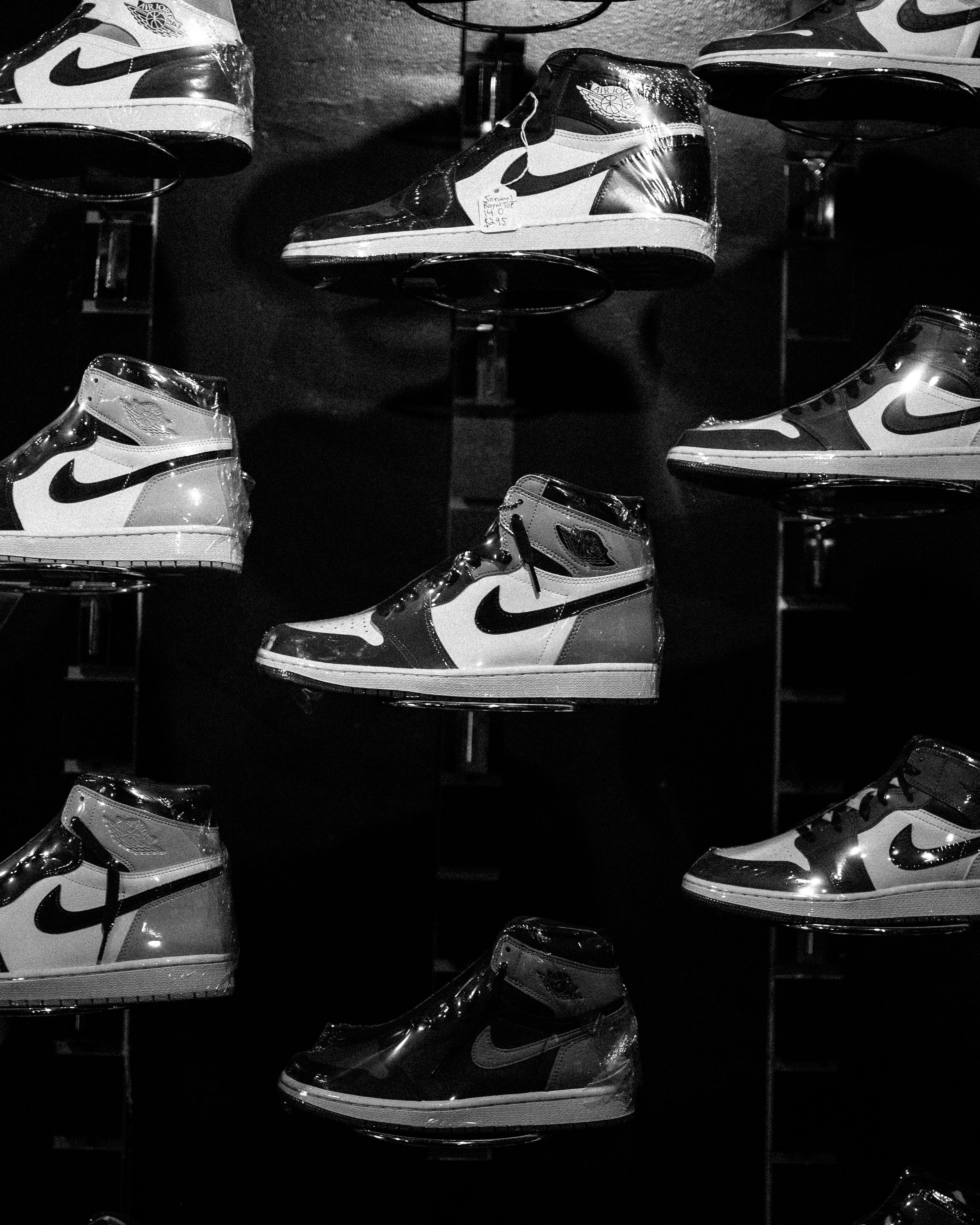
For sneakerheads breaking into the Jordan 4 scene in 2026, a thoughtful game plan can produce both personal fulfillment and reliable monetary returns without calling for an large opening investment. Starting with GR pairs at MSRP builds essential familiarity of the silhouette’s fabrics, comfort, and build quality before pursuing higher-priced limited releases. Following Nike’s SNKRS app, watching reputable insider accounts on social platforms, and signing up for community sneaker circles can offer early intelligence on future releases. The mid-tier segment between $250 and $500 offers superb bang for your buck — colorways like “Military Blue” give strong collector cred without thousand-dollar costs. Being patient is possibly the most useful asset, as costs on certain colorways decline 10% to 15% after early frenzy before stabilizing. Diversifying across eras produces a complete collection that recounts the whole journey of the Air Jordan 4.
Last Thoughts on the Air Jordan 4 Retro Legacy
Living on as a collector’s dream, the Air Jordan 4 Retro rests at the ultimate intersection of creative design, cultural importance, and production scarcity. Tinker Hatfield built a shoe in 1989 that surpassed its era, and Nike has brilliantly steered its history through deliberate retroed drops and high-profile collaborations. Whether you are interested in the AJ4 for its investment potential, its strong ties in basketball and hip-hop, or merely because it looks incredible on foot, there is no questioning the model’s singular role in sneaker history. The appetite shows no signs of easing as younger generations explore the design. In a market full of new models every week, the Air Jordan 4 Retro reliably stands above the clutter. If you have still not added a pair to your collection, 2026 is as persuasive a time as any to dive in.